
TNUoS Charges 2026: Why Your Business Electricity Bill Increased in April
If your electricity standing charge looks significantly higher than it did last year, there’s likely a straightforward explanation, and it’s…
3 mins
Table of contents
- What is TNUoS?
- Why Did It Rise So Sharply in April 2026?
- Does Your Location Affect What You Pay?
- What About Fixed Contracts?
- Want to Go Deeper?
If your electricity standing charge looks significantly higher than it did last year, there’s likely a straightforward explanation, and it’s not your supplier or energy broker or even business energy consultancy putting their prices up. The increase is almost certainly TNUoS. And if you’ve never heard of it, you’re not alone.
What is TNUoS?
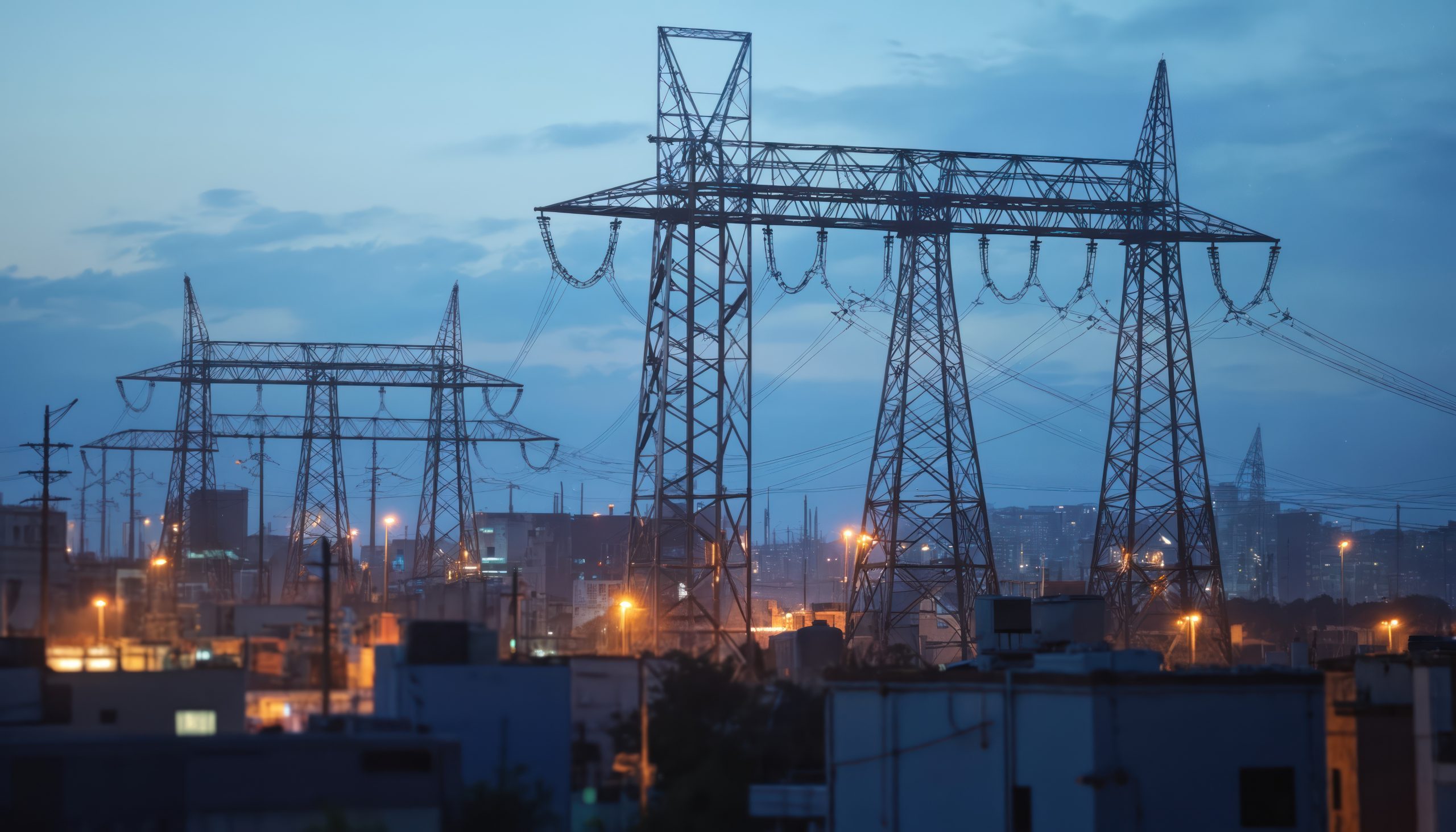
TNUoS stands for Transmission Network Use of System. It’s the charge that contributes to the cost of maintaining the national high-voltage electricity grid, such as the pylons, cables, and substations that carry power from generators across the country to your site.
It’s set by NESO, the National Energy System Operator, not by your supplier. Your supplier collects it on NESO’s behalf. It’s a fixed per-site, per-day charge based on your connection type and agreed capacity, not on how much electricity you use.
For many businesses, TNUoS sits inside the standing charge without a separate line item. It’s part of what the industry calls non-commodity charges, the network costs and policy levies that, in 2026, could average around 62% of a typical business electricity bill.
For even further information on TNUoS charges, read our recent blog “TNUoS charges are rising from April 20206: What that means for your business electricity costs“.
Why Did It Rise So Sharply in April 2026?
April 2026 marked the start of RIIO-ET3, the five-year regulatory period during which Ofgem has approved significant investment in the national grid. The infrastructure required to connect offshore wind, reinforce the North-South transmission corridor, and prepare the grid for the energy transition comes at a cost, and TNUoS is how that cost reaches your bill.
The numbers involved are substantial. Total TNUoS revenue rose from £5.1bn to £8.9bn in a single year. The demand residual (the component most businesses pay) increased from £3.84bn to £6.38bn. The volume-weighted average increase across commercial sites was approximately 62%.
For a mid-sized manufacturing business, this could mean an additional £40,000 to £80,000 on this year’s electricity bill. Actual impact will vary by site, band, and contract structure.
Does Your Location Affect What You Pay?
Yes, and this surprises many businesses. TNUoS has a locational component that varies significantly by geographic zone. Sites in Scotland and northern England currently attract zero locational demand charge. Sites in the South West of England attract the highest locational tariff in Great Britain, based on current NESO publications, reflecting their position at the end of a constrained transmission corridor far from the bulk of UK generation.
The residual charge, the larger component, doesn’t vary by location. It’s set by your voltage connection level and your agreed supply capacity band.
What About Fixed Contracts?
Many businesses could be surprised to find their standing charge had risen despite being on a fixed contract. This is because a fixed contract typically fixes the commodity element, the unit rate for the energy itself. Most standard supply agreements treat network charges including TNUoS as pass-through, meaning NESO tariff changes may be applied mid-contract. Whether this applies to your specific agreement depends on the wording. So it’s worth checking.
Want to Go Deeper?
This article covers the headline picture. For a full breakdown of charging bands, the CMP463 threshold changes from April 2026, how to read your invoice, and six practical actions to consider taking now, the Tritility TNUoS Cost Guide covers all of it in plain English.
Download the free TNUoS Cost Guide
Prefer to talk it through with an experienced energy procurement company? A free Tritility review covers your specific band, zone, contract treatment and exposure in one conversation. Book a free review or call 0191 367 5000