
TNUoS charges are rising from April 2026: What that means for your business electricity costs
TNUoS charges increase from 1 April 2026, which could raise business electricity costs even if your unit rate stays the same. Here’s what’s changing, who’s exposed, and what to do now.
5 mins
Table of contents
- What are TNUoS charges?
- How TNUoS appears in business electricity contracts
- What changes from 1 April 2026?
- Why bills can rise even when wholesale prices fall
- Where transition-related costs show up on electricity bills
- Which businesses are most exposed?
- Where you might see this on your bill
- What you can do now
- How Tritility helps
- TNUoS Charges April 2026 FAQs
If your electricity bill feels like it keeps changing shape, you’re not imagining it.
From 1 April 2026, many UK businesses are likely to see higher electricity costs because Transmission Network Use of System charges, or TNUoS charges, are increasing sharply. NESO has published the final 2026/27 TNUoS tariffs (published 30 January 2026), and industry commentary is pointing to an average uplift in the region of 60% to 64% compared to 2025/26. Our blog “Great Business Energy and Neso: What Businesses Need to Know” gives more information on NESO.
This is one of those changes that can push bills up even when you’ve done “everything right” on procurement, because it sits in the part of the bill most people don’t see until it lands.
What are TNUoS charges?
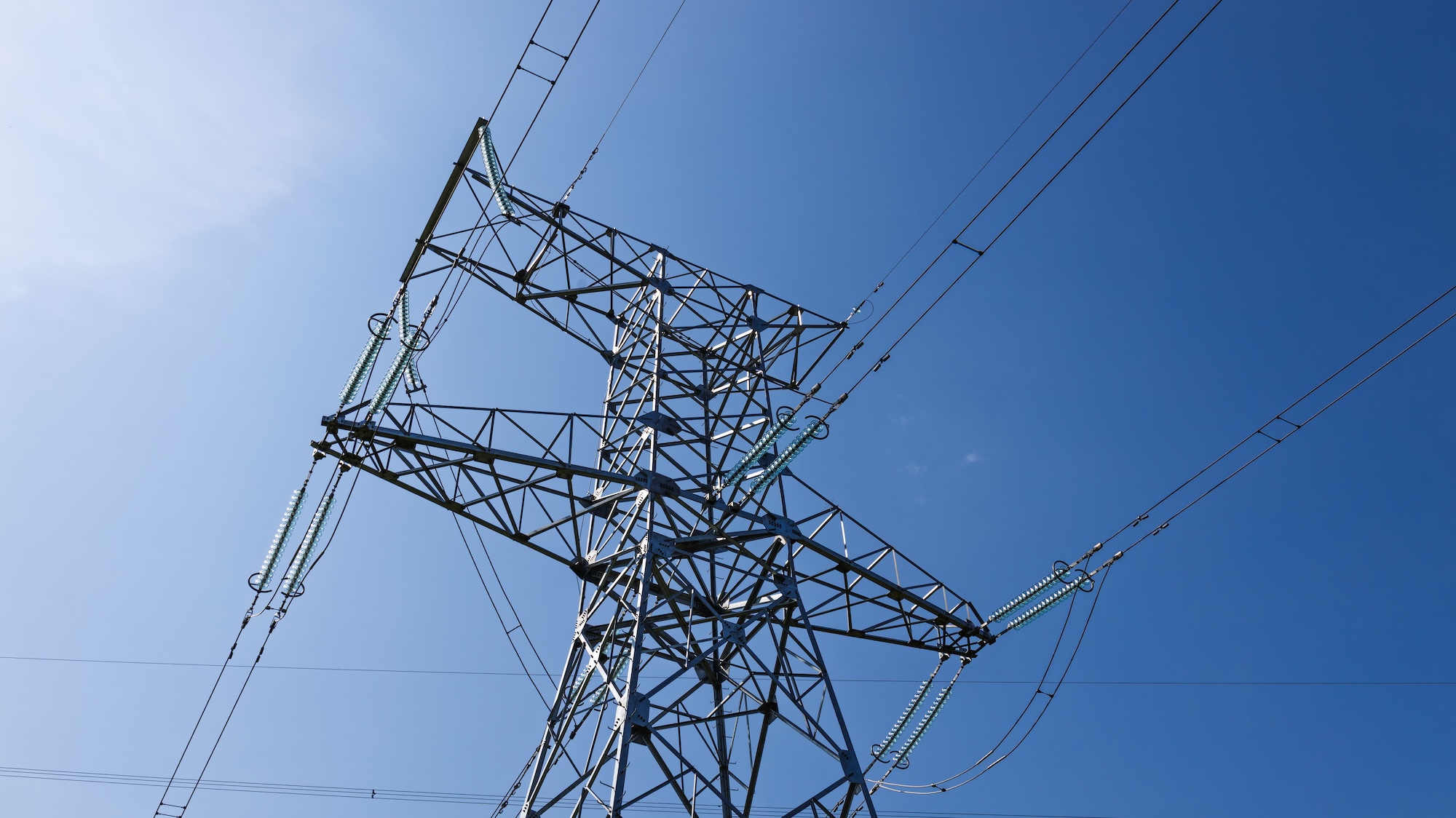
TNUoS charges help fund the electricity transmission network in Great Britain. That’s the high-voltage infrastructure that transports electricity around the country.
NESO publishes TNUoS charges/tariffs each year, and they take effect from 1 April in the new charging year.
How TNUoS appears in business electricity contracts
Suppliers recover TNUoS through your contract, typically in one of two ways:
- All-in (inclusive): costs are bundled into the price you agree.
- Pass-through: costs are billed as third-party charges that can change during the contract term.
Neither approach is “wrong”, but they create very different levels of risk and predictability.
What changes from 1 April 2026?
NESO has confirmed the final TNUoS charges for 2026/27, and multiple industry sources describe a material increase in average rates from April 2026.
How big is the increase?
You’ll see figures reported around 60% to 64% on average.
It’s important to treat that as an average. Your actual impact will depend on factors like region, meter type, voltage level and banding, plus how your supplier applies charges within your contract.
Why bills can rise even when wholesale prices fall
A business electricity bill is usually made up of two broad buckets:
- Commodity: the cost of the electricity itself (the part people mean when they say “energy prices”).
- Non-commodity: network charges, system costs, metering and various policy-related costs.
So even if wholesale markets ease, your bill can still rise if non-commodity elements increase. (This is one reason we keep saying: don’t judge a quote on unit rate alone.)
The difference between commodity and non-commodity costs
Non-commodity charges are widely recognised across the industry as a significant and growing portion of delivered electricity costs. TNUoS charges sit firmly in that non-commodity category, and it’s one of the reasons two quotes that look similar at first glance can produce very different invoices.
Where transition-related costs show up on electricity bills
There isn’t a single “net zero line item” on most bills. But parts of the transition to a lower-carbon system do show up through the way the market funds:
- Network investment and reinforcement
- System operation and balancing
- Certain policy and market mechanisms
TNUoS is not a green levy, but it is part of how the system pays for transmission infrastructure. NESO’s own longer-range outlook shows rising total revenue to be recovered through TNUoS in 2026/27 and beyond.
Network investment, system balancing, and policy costs (in plain English)
One example outside of TNUoS is BSUoS (Balancing Services Use of System), which is designed to recover the cost of balancing the electricity transmission system day to day.
The key point for customers to be aware of is that these charges are set by the charging framework and system requirements, not invented by individual suppliers or brokers. What varies by supplier is how they package them, forecast them, and how transparent the contract is about what can change.
Which businesses are most exposed?
Pass-through contracts
If your contract passes third-party charges through at cost, April 2026 uplifts can land during the contract term when the charging year changes.
Renewals around April 2026
If you renew in late Q1 or Q2 2026, you’ll want to understand exactly how TNUoS is being treated in quotes. Even on inclusive pricing, suppliers will price expected costs into renewals.
Multi-site businesses
More meters usually means more opportunities for mismatched contract terms and inconsistent cost treatment. Small differences multiplied across sites can become a big number quickly.
Where you might see this on your bill
Depending on supplier billing format and contract type, TNUoS is often recovered through standing charges or shown within broader third-party charge sections. Some suppliers note that residual TNUoS charges are recovered on standing charges (often represented as £/MWh equivalents for comparison).
This is why you can feel like “nothing changed” with usage, but your bill still climbs.
What you can do now
Check contract terms
Ask one simple question and get the answer in writing:
Is this all-in or pass-through, and which charges are included or excluded?
If someone says “it’s fixed” but won’t explain third-party charges, that’s a red flag.
Plan around renewal dates
Put 1 April 20https://www.tritility.com/news/how-to-search-for-and-compare-business-energy-quotes/26 in your diary as a charging-year step change. If your renewal is near that date, build it into your budgeting and quote comparison.
Compare quotes properly
Make sure you’re comparing:
- What’s included in the unit rate
- What’s passed through
- How changes are reconciled
- How standing charges are structured
This is where a lot of “cheap quote” surprises come from.
Reduce avoidable waste
You can’t remove network charges, but you can reduce what you can control:
- Out-of-hours consumption
- Baseload creep
- Avoidable peaks (where operations allow)
- Site issues that increase consumption for no benefit
How Tritility helps
Our job is to make sure you understand what you’re paying for and don’t get caught out by the small print.
We help businesses:
- Review contract structure and bill makeup in plain English
- Compare supplier offers like-for-like
- Plan renewals around charging-year changes
- Use consumption analytics to identify waste and tighten control
If you want a quick sense-check, we’ll tell you where your exposure sits and what questions to ask next.
TNUoS Charges April 2026 FAQs
When does the increase start?
The 2026/27 charging year begins 1 April 2026. NESO published the final 2026/27 TNUoS charges on 30 January 2026.
Is it definitely a 60% to 64% increase for everyone?
That range is widely reported as an average. The actual impact varies by site characteristics and contract treatment.
Can switching supplier avoid TNUoS?
No. TNUoS is a system charge. What switching can change is how it’s handled (inclusive vs pass-through), how clear the contract is, and how well you’ve stress-tested the risk.
Are “net zero costs” really on my bill?
Parts of the transition are funded through network and system costs and related mechanisms. It’s not usually one labelled fee, but it is fair to say investment and system operation costs are recovered through the charging framework over time.